

Meet Daniel, a 28-year-old who recently moved out of a water-damaged apartment. For two years, he had felt “off”, with low energy, brain fog, and a sense that his body wasn’t performing at its best. After learning more about the potential impact of environmental factors on health, Daniel worked with his practitioner to explore whether mold exposure could have played a role.
Understanding Mycotoxins
Molds are common in damp indoor environments. Some molds can produce compounds called mycotoxins, which are secondary metabolites released under certain conditions. While not everyone reacts the same way, ongoing exposure in poorly ventilated or water-damaged environments may contribute to an increased body burden of these compounds.
The Mycotoxin Test
Daniel’s practitioner suggested a Mycotox Test, which measures the presence of different mycotoxins excreted in urine. This test does not diagnose illness but provides insight into whether the body is currently processing and eliminating mold-related compounds.
- Ochratoxin A
- Aflatoxins
- Trichothecenes
- Gliotoxin
- Zearalenone
In Daniel’s case, the test showed higher-than-average excretion of several mycotoxins. This indicated that his body was indeed mobilising and clearing these compounds, an important piece of information when considering next steps for support.
Supportive Strategies for Mold Detox
Once Daniel had a clearer picture, his practitioner outlined some general strategies to support resilience and balance while his body continued to process and eliminate environmental burdens:
- Optimising the environment: Daniel moved into a drier apartment and invested in an air purifier with HEPA and carbon filtration.
- Nutritional support: A diet rich in antioxidants (berries, green tea, colorful vegetables) to help buffer oxidative stress, and fibre-rich foods to support natural elimination pathways.
- Binders: Certain natural binders (like activated charcoal, bentonite clay, or chlorella) may help bind mycotoxins in the gut, reducing reabsorption. These should be considered under practitioner guidance.
- Liver and detox support: Nutrients such as glutathione, NAC, milk thistle, and sulforaphane-containing vegetables (broccoli, kale) can assist the body’s natural detoxification processes.
- Sweating and circulation: Activities like sauna, exercise, or hot baths encourage circulation and may support natural elimination.
- Gut health focus: Probiotics and prebiotics to help maintain a healthy microbial balance, which can influence how toxins are processed and excreted.
Daniel’s Progress
With time, consistency, and support, Daniel reported feeling clearer, more energised, and more resilient. His journey illustrates how combining environmental changes, targeted nutritional strategies, and functional testing can provide a roadmap for restoring balance after mold exposure.
Would you like to sign up with us as a practitioner?
Key Takeaway
Mold exposure is an increasingly recognised environmental challenge. Tools like the Mycotox Test can provide valuable insights into whether mycotoxins are present and being excreted. When paired with supportive lifestyle and nutrition strategies, individuals can take proactive steps toward regaining balance and vitality.
Discover more

When stress reaches your gut
Stress can influence the gut environment, while signals from the gut help shape how the body responds to stress. Understanding this connection gives us more ways to support resilience, through what we eat, how we rest, and the pauses we build into our day.


Hydration: Supporting Focus, Energy and Cognitive Performance
Nutrition, sleep and physical activity are well-established foundations for cognitive performance. But there is another simple factor that is easy to overlook: hydration.
Soleus Push-Ups or Walking After Meals?
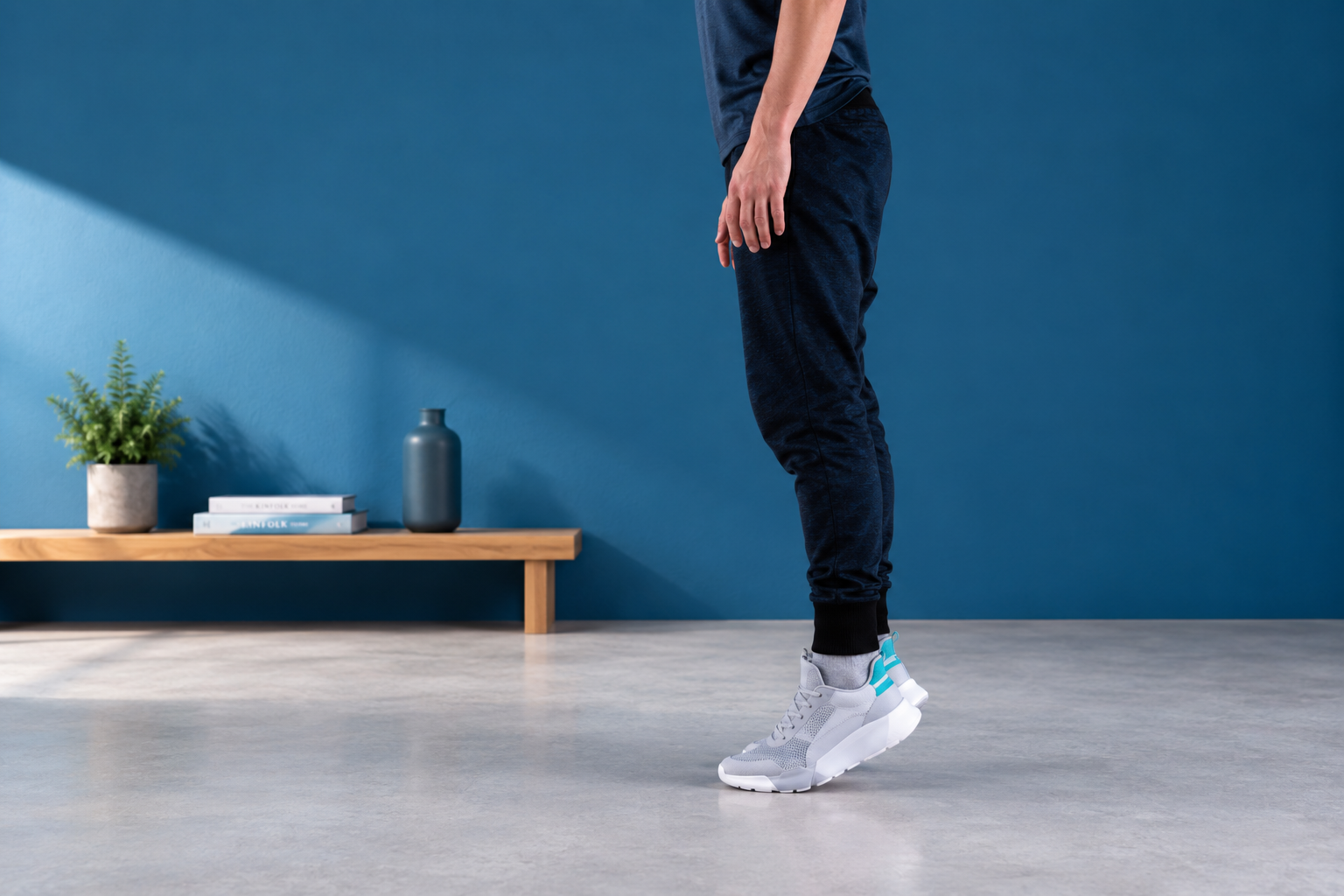
Most people know that regular movement supports healthy glucose regulation. However, a study from the University of Houston attracted considerable attention by suggesting that activating one small muscle in the calf could substantially influence the body’s response to glucose, even while sitting. The muscle is called the soleus.
Ready to grow your practice?
Sign up today and access all tools, education, and resources in one platform.

All‑in‑one functional medicine platform for education, testing, and patient care.
Nordic Laboratories ApS
Simply Nature Ltd
Stonegate East Sussex TN5 7DU,
United Kingdom